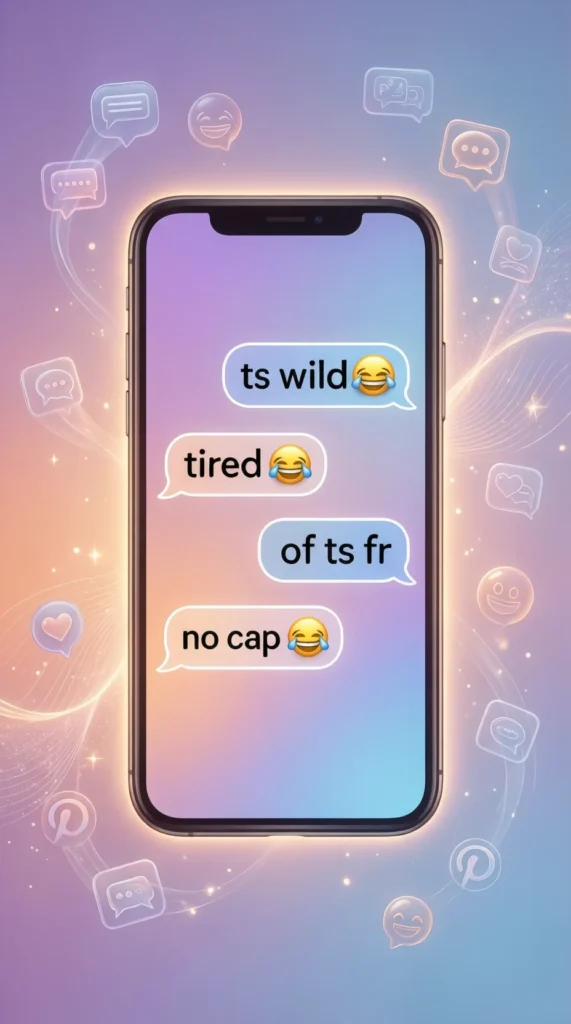
TS in text most often means “this s*” or “this stuff,” a casual slang abbreviation used to refer to a situation, experience, or topic being discussed.** Its meaning depends heavily on context, tone, and who you’re talking to.
Have you ever read a message like “I’m tired of ts” or “ts wild fr” and paused, wondering what on earth those two letters stood for? You’re not alone. Internet slang moves fast, and TS is one of those abbreviations that feels obvious once you know it, but confusing before that moment clicks.
This in-depth guide explains what do ts mean in text, how people actually use it, why tone matters so much, and when you should probably avoid it altogether. Everything is written clearly, naturally, and conversationally, so it feels like learning from a real person, not a glossary.
What “TS” Means in Texting and Online Chat
At its core, TS is shorthand. People use it to save time, soften profanity, or match the casual vibe of digital conversations.
Most commonly, TS means one of the following:
- “This s*”** (most frequent usage)
- “This stuff” (cleaner, softer version)
Instead of repeating a long explanation, writers use ts as a stand-in for whatever is happening right now.
You can think of it as a placeholder for:
- A stressful situation
- A confusing experience
- Ongoing drama
- Something surprising or ridiculous
Where the Slang “TS” Comes From
Slang rarely starts in dictionaries. Instead, it grows from how people speak out loud.
How the abbreviation developed naturally
Spoken phrases like “this s** is impulsive”* have existed for decades. When texting became dominant, users wanted a faster, less explicit way to say the same thing. Shortening it to ts felt natural.
Another reason for its rise is platform culture. Apps like TikTok, Snapchat, and Instagram encourage quick, punchy language that fits captions and comments.
Why the abbreviation stuck
- It saves time
- It avoids writing profanity directly
- It feels expressive and relatable
- It blends easily with other slang
As more people used it, the meaning became widely understood in casual spaces.
How Context Changes the Meaning of TS
Two letters can say a lot. The emotional tone behind ts depends entirely on the surrounding words.
Casual or playful use
Friends often use ts jokingly or lightly.
Examples include:
- “Ts funny as hell 😂”
- “I kinda like ts ngl”
The vibe here feels relaxed, not serious.
Neutral or descriptive use
Sometimes, ts is simply informational.
Examples include:
- “Ts not loading”
- “I don’t understand ts yet”
No strong emotion comes through in these cases.
Negative or dismissive use
Frustration is one of the most common reasons people type ts.
Examples include:
- “I’m done with ts”
- “Ts annoying fr”
Here, ts acts as an emotional outlet.
Real-Life Texting Examples Explained Clearly
Seeing examples helps lock in understanding. The table below breaks down real-world usage.
Common TS Message Examples
| Text Message | What TS Refers To | Emotional Tone |
|---|---|---|
| “I’m tired of ts” | An ongoing problem | Frustrated |
| “Ts wild fr” | A shocking situation | Amazed |
| “I don’t get ts” | Something confusing | Neutral |
| “Ts funny 😂” | An amusing event | Playful |
| “Ts stressful” | A difficult experience | Overwhelmed |
Platforms Where “TS” Is Most Common
Different platforms encourage different language styles.
Social media environments
Short slang thrives on apps built for speed. TikTok captions, Instagram comments, and Twitter posts frequently include ts.
A typical example might look like:
“Ts been happening all week 😭”
Private messaging spaces
Group chats and one-on-one texts are where ts feels most natural. Friends already share context, so fewer words are needed.
Meme culture and reactions
Memes often rely on shared understanding. TS works perfectly as a quick reference without explanation.
When Using TS Can Cause Confusion
Not everyone interprets slang the same way. Misunderstandings happen when context is missing.
Situations where ts might confuse people include:
- Talking to older relatives
- Messaging coworkers
- Writing academic or professional content
- Communicating with non-native English speakers
In those cases, clarity beats convenience.
Polite, Clear, and Professional Alternatives
Replacing ts is easy once you know what you’re trying to express.
Cleaner alternatives for everyday use
- This situation
- What’s going on
- This issue
Professional substitutes for work or school
- This matter
- The current challenge
- This process
Comparison Table: Slang vs Polite Language
| Slang Version | Polite Rewrite |
|---|---|
| “I’m tired of ts” | “I’m feeling overwhelmed by this situation” |
| “Ts confusing” | “This is difficult to understand” |
| “Ts annoying” | “This has been frustrating” |
How TS Compares to Similar Slang Terms
Understanding related abbreviations helps avoid mixing meanings.
TS vs SMH
TS points to a situation.
SMH expresses disappointment or disbelief.
Combined usage example:
“Ts impulsive, smh”
TS vs IDC
TS describes the topic.
IDC communicates apathy.
TS vs FR
TS identifies the subject.
FR adds emphasis or honesty.
Example:
“Ts hard fr”
Other Possible Meanings of TS
Although rare in casual texting, TS has alternate meanings in specialized settings.
Technical and academic meanings
- Technical specification
- Time series
- TypeScript
Medical and formal references
- Tourette syndrome
Unless the conversation clearly points in these directions, slang meaning is usually the correct interpretation.
How to Decode TS Every Time
Instead of guessing blindly, follow a simple mental checklist.
- Look at the emotional words nearby
- Consider who sent the message
- Check the platform where it appears
- Notice emojis or punctuation
When frustration, humor, or surprise is present, TS almost always refers to “this s**” or “this stuff.”*
Practical Tips for Using TS Naturally
Using slang well is about balance.
Helpful tips include:
- Match the tone of the conversation
- Avoid using it in serious discussions
- Don’t overuse abbreviations in one message
- Choose clarity when stakes are high
Sounding natural matters more than sounding trendy.
FAQs
What does TS stand for in slang?
Most commonly, it stands for “this s*”** or “this stuff,” depending on the context.
Is TS considered offensive?
It implies mild profanity, but it’s generally seen as casual and not strongly offensive in informal conversations.
Can TS be positive?
Yes. TS can be used positively to describe something funny, exciting, or enjoyable.
Do people use TS in professional chats?
Rarely. It’s best avoided in work or professional settings.
What does “ts fr” mean in text?
It means “this s*, for real,”** which adds emphasis or strong agreement.
Is TS the same as saying “this”?
Not exactly. TS usually refers to a broader situation or experience, not just a single object.
Does TS always show frustration?
No. The tone depends on context, wording, and how it’s used in the sentence.
Should I ask what TS means if I’m unsure?
Yes. Asking for clarification is better than assuming, especially in important conversations.
Conclusion:
Understanding what TS means in text makes digital conversations far less confusing. This short abbreviation may be only two letters, but it can carry strong emotional weight, tone, and context depending on how it’s used. TS is considered casual slang, and its meaning often shifts based on the situation and the sender’s intent, which is why context matters so much.
In professional or formal settings, using clear and complete language is always the better choice. Once you become familiar with how TS appears in conversations, you’ll recognize it instantly and understand exactly what the sender meant.
Read More Related Articles:
- What Does XX Mean in Text? Unlock the Secret Meaning (2026)
- What Does GG Mean in Text? Discover the Hidden Meaning (2026)

Luna Hartley is a content creator at TextSprout.com, where she specializes in explaining word meanings, modern phrases, and everyday language used in texts and online conversations. Her writing focuses on clarity and context, helping readers understand how words are actually used in real communication.