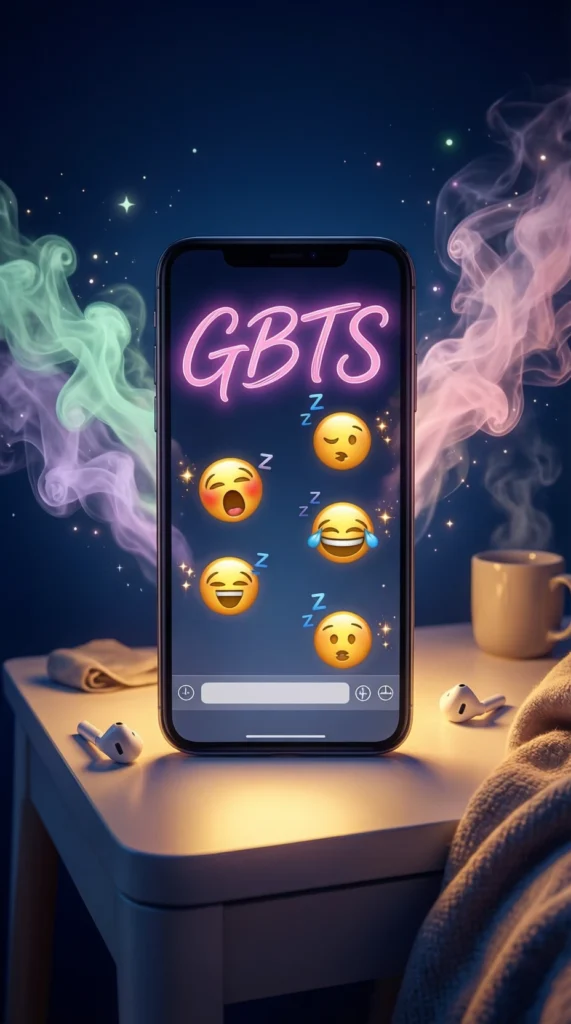
GBTS in text messaging most commonly means “Go Back To Sleep.” It is a casual abbreviation people use in chats when someone is tired, it is late, or continuing the conversation feels unnecessary at that moment.
Text slang evolves fast, and GBTS is one of those short, context driven abbreviations that can feel confusing if you see it for the first time. Many readers encounter it in late night chats, group conversations, or playful exchanges and pause to wonder whether it sounds caring, dismissive, or even rude. Understanding what GBTS means in text depends heavily on tone, timing, and relationship dynamics, which makes it more interesting than it first appears.
This guide breaks down everything you need to know about GBTS meaning in text, including its origin, real world usage, tone variations, examples, comparisons with similar slang, alternatives, and frequently asked questions so you can confidently recognize and use it without awkward misunderstandings.
What Does GBTS Mean in Text Messaging?
GBTS is an informal texting abbreviation that usually stands for Go Back To Sleep. It is often used when someone texts too early in the morning, too late at night, or while clearly exhausted.
In most cases, GBTS is meant to be lighthearted or playful rather than harsh. Context matters a lot, and the same three letters can feel friendly, neutral, or slightly dismissive depending on how they are delivered.
Basic Meaning Breakdown
| Abbreviation | Full Form | Common Situation |
|---|---|---|
| GBTS | Go Back To Sleep | Late night texts, sleepy conversations, joking replies |
The abbreviation is rarely used in formal communication and is almost always found in casual text messages, social media chats, or direct messages.
Origin of GBTS and How It Became Popular
GBTS does not come from a single viral moment or pop culture reference. Instead, it developed naturally alongside other shorthand phrases as texting culture encouraged speed and brevity.
As smartphones became central to communication, users started shortening common phrases like “go to sleep” or “get some rest.” GBTS emerged as a faster, punchier version that fit easily into casual conversations.
Why People Use GBTS
People gravitate toward GBTS for several reasons.
- It saves time while typing
- It sounds casual and relaxed
- It fits playful or sleepy moods
- It avoids sounding overly serious
Social media platforms, gaming chats, and group texts helped normalize abbreviations like GBTS, especially among younger users who prefer quick responses.
How GBTS Is Used in Real Conversations
Understanding what does GBTS mean in text requires looking at how it is used in everyday interactions. Tone and relationship context are key here.
Common Situations Where GBTS Appears
GBTS is most often used in scenarios like these.
- Someone texts at 2 a.m. without urgency
- A friend keeps messaging while half asleep
- A playful shutdown of a late night conversation
- A joking response to unnecessary updates
It can be caring, sarcastic, or blunt depending on delivery.
GBTS Tone Variations Explained
Tone shifts meaning, especially in text where body language and voice are missing. GBTS can carry different emotional weights.
Friendly or Playful Tone
Used between close friends or partners, GBTS often feels affectionate or teasing.
Example context includes emojis or laughter, which soften the message.
Neutral or Practical Tone
In neutral settings, GBTS simply suggests rest without emotional depth.
This tone often appears without punctuation or emojis.
Dismissive or Slightly Rude Tone
In some contexts, GBTS can sound abrupt or dismissive, especially if the relationship lacks closeness.
This usually happens when the sender wants the conversation to end quickly.
GBTS Examples With Context
The meaning becomes clearer when you see GBTS in action across different tones.
Example Table: GBTS in Real Messages
| Tone | Message Example | Implied Meaning |
|---|---|---|
| Friendly | “It’s 3am lol GBTS 😴” | Lighthearted encouragement to rest |
| Neutral | “You sound tired. GBTS.” | Straightforward advice |
| Dismissive | “Nothing urgent? GBTS.” | Conversation shutdown |
Adding emojis, laughter, or extra words often makes GBTS feel warmer and less abrupt.
Emojis and Punctuation With GBTS
Emojis and punctuation dramatically affect how GBTS is interpreted.
- 😴 makes it playful or caring
- 😂 suggests teasing
- A period can make it feel firm
- Multiple letters like “GBTSSS” add humor
Small details can change the entire vibe of the message.
Is GBTS Rude or Polite?
GBTS itself is not inherently rude, though it can come across that way if used poorly.
When GBTS Feels Polite
- Between friends who joke often
- With added emojis or softeners
- In clearly sleepy situations
When GBTS Feels Rude
- In professional conversations
- With strangers or acquaintances
- When responding to something serious
If you are unsure, adding a few extra words helps soften the message.
Comparison With Similar Text Abbreviations
GBTS is part of a larger family of sleep related slang. Comparing it with similar terms helps clarify its nuance.
Comparison Table: GBTS vs Related Terms
| Term | Meaning | Tone |
|---|---|---|
| GBTS | Go Back To Sleep | Casual, playful |
| GTS | Go To Sleep | Slightly firmer |
| GN | Good Night | Polite, warm |
| BRB | Be Right Back | Neutral, practical |
GBTS feels more conversational than GTS and less formal than GN.
Alternate Meanings of GBTS
Although rare, GBTS can sometimes have alternate meanings depending on niche contexts.
Possible Alternate Interpretations
- Group Based Training System in technical fields
- Business specific acronyms in internal communication
In casual texting, however, these meanings are extremely uncommon. Context almost always signals the sleep related definition.
Polite or Professional Alternatives to GBTS
GBTS is not suitable for professional environments. If you need a softer or more respectful option, alternatives work better.
Polite Alternatives
- “You should get some rest”
- “Let’s talk tomorrow”
- “Sounds like you need sleep”
Professional Alternatives
- “We can continue this conversation later”
- “Please rest and follow up tomorrow”
Choosing the right phrasing prevents misunderstandings and maintains respect.
When Should You Avoid Using GBTS?
There are situations where GBTS is best avoided entirely.
- Workplace or client messages
- Emotional or serious conversations
- Conversations involving authority figures
In these contexts, clarity and empathy matter more than brevity.
Cultural and Generational Use of GBTS
GBTS is more commonly used by younger generations who grew up with texting culture. Millennials and Gen Z users recognize it more easily than older demographics.
It also appears more often in informal online communities like gaming chats or group DMs.
FAQs
What does GBTS mean in text messages?
GBTS usually means Go Back To Sleep and is used casually to suggest rest.
Is GBTS rude in texting?
It depends on tone and relationship, though it can feel rude without context or softeners.
Who commonly uses GBTS?
Friends, partners, and younger texters use it most often in informal chats.
Can GBTS be used professionally?
No, it is too casual for professional or workplace communication.
Does GBTS have multiple meanings?
Yes, but alternate meanings are rare and mostly limited to technical or business settings.
How do I reply to GBTS?
You can reply with humor, acknowledgment, or simply say good night.
Is GBTS the same as GTS?
They are similar, but GBTS often sounds lighter and more playful.
Should I use GBTS with someone I do not know well?
It is better to avoid it unless the conversation is clearly informal.
Key Takeaways and Practical Tips
GBTS is a simple abbreviation with layered meaning. While it stands for Go Back To Sleep, its tone shifts based on delivery, emojis, punctuation, and relationship dynamics.
Use GBTS casually with friends when the mood is relaxed. Avoid it in professional or sensitive conversations. When in doubt, add warmth or choose a clearer alternative.
Understanding subtle text slang like GBTS improves communication and prevents awkward misunderstandings.
Read More Related Articles:
- What Does Vanilla Mean in Slang? Modern Slang Guide (2026)
- What Is NSF in Banking? Non-Sufficient Funds Explained Simply (2026)

Ivy Madison is a content creator at TextSprout.com, specializing in word definitions, internet slang, acronyms, and text abbreviations. She delivers clear and engaging explanations, helping readers quickly understand modern digital language and trending terms.